 cs




How should you wash and care for clothing with DTF prints? Learn the best practices for washing, drying and ironing,...
 Petr Dvořák


 (Web) (554 × 640 px) (5).png "LeftBanner 1")


How should you wash and care for clothing with DTF prints? Learn the best practices for washing, drying and ironing,...

Which materials can DTF transfers be applied to? Learn how DTF performs on cotton, polyester, blended fabrics and...

How do you apply a DTF transfer to fabric correctly? Learn how to set heat press temperature, time and pressure, why...

Is your DTF printing process not working properly? Discover the most common DTF printing problems, including nozzle...

Which cleaning fluid should you use for a DTF printer? Learn the differences between Cleaning Fluid, Flushing Fluid...

How do you clean a DTF printer properly and prevent printing problems? A practical guide to regular maintenance of...
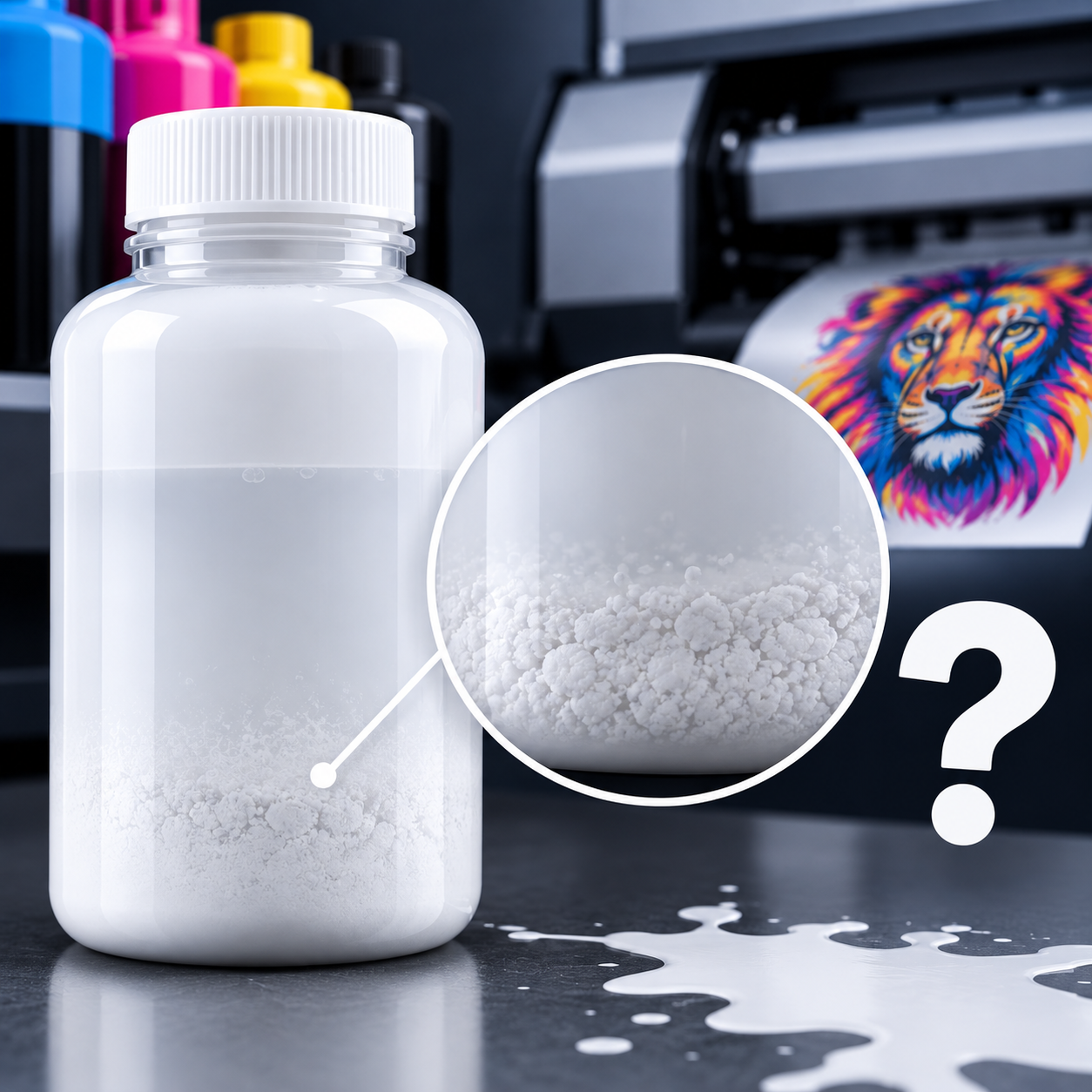
Why does white DTF ink settle, and when does sedimentation become a problem? Learn why white pigment settles, how ink...
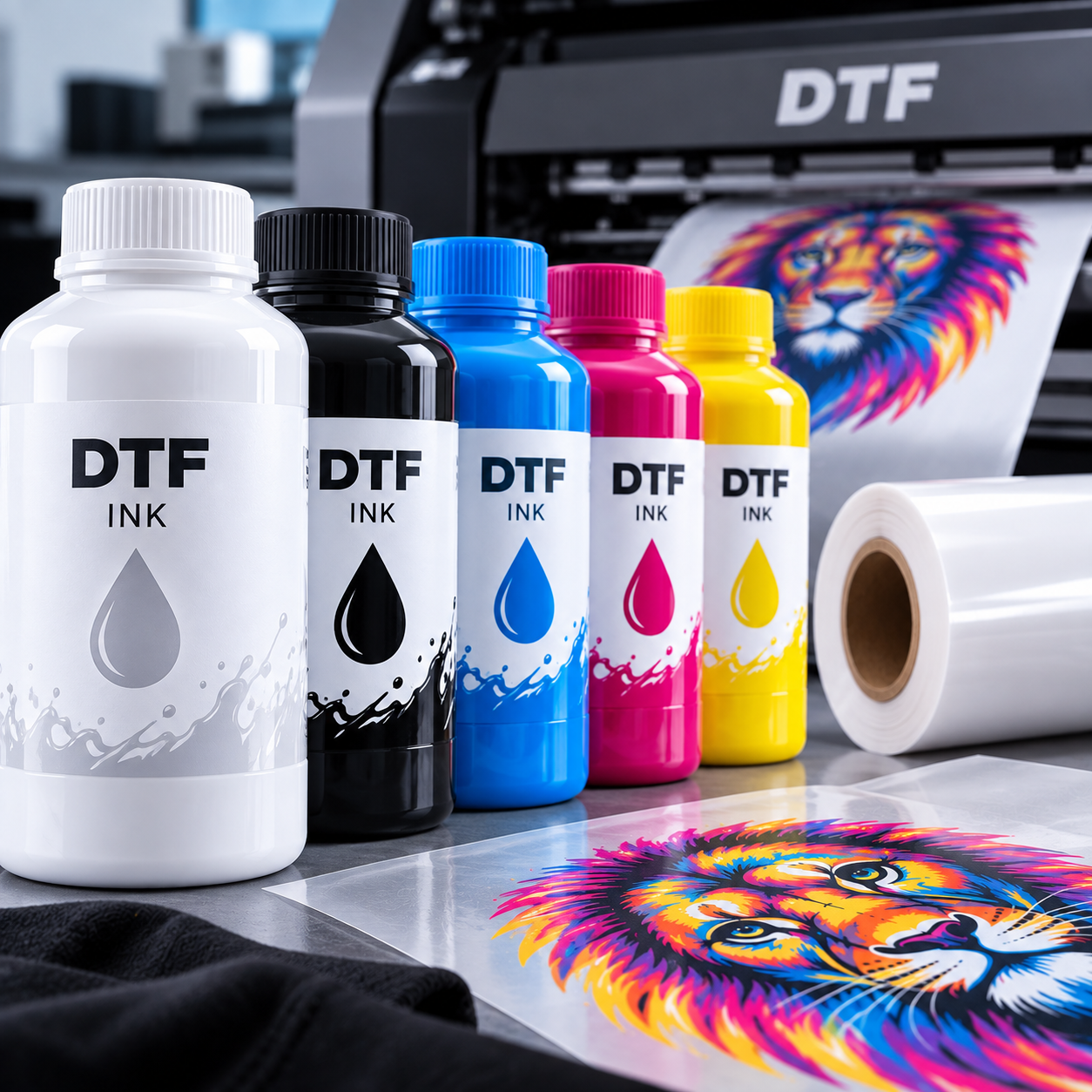
How do you choose the right DTF ink? Learn the difference between CMYK and white DTF ink, why printhead compatibility...

Is your DTF transfer peeling or failing after washing? Discover the most common adhesion problems – from DTF powder...
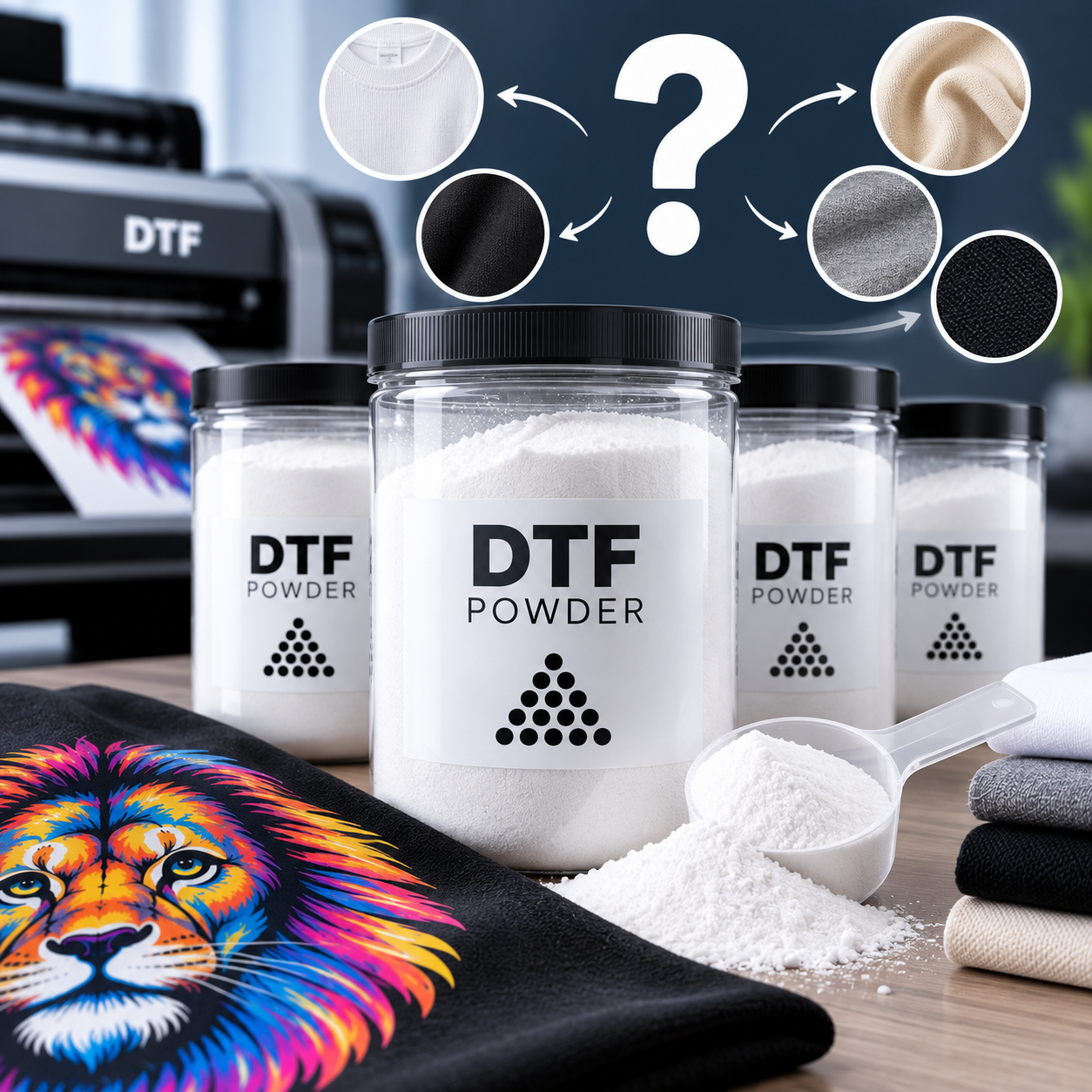
How do you choose the right DTF adhesive powder? Learn what TPU powder is, how it affects adhesion and durability,...
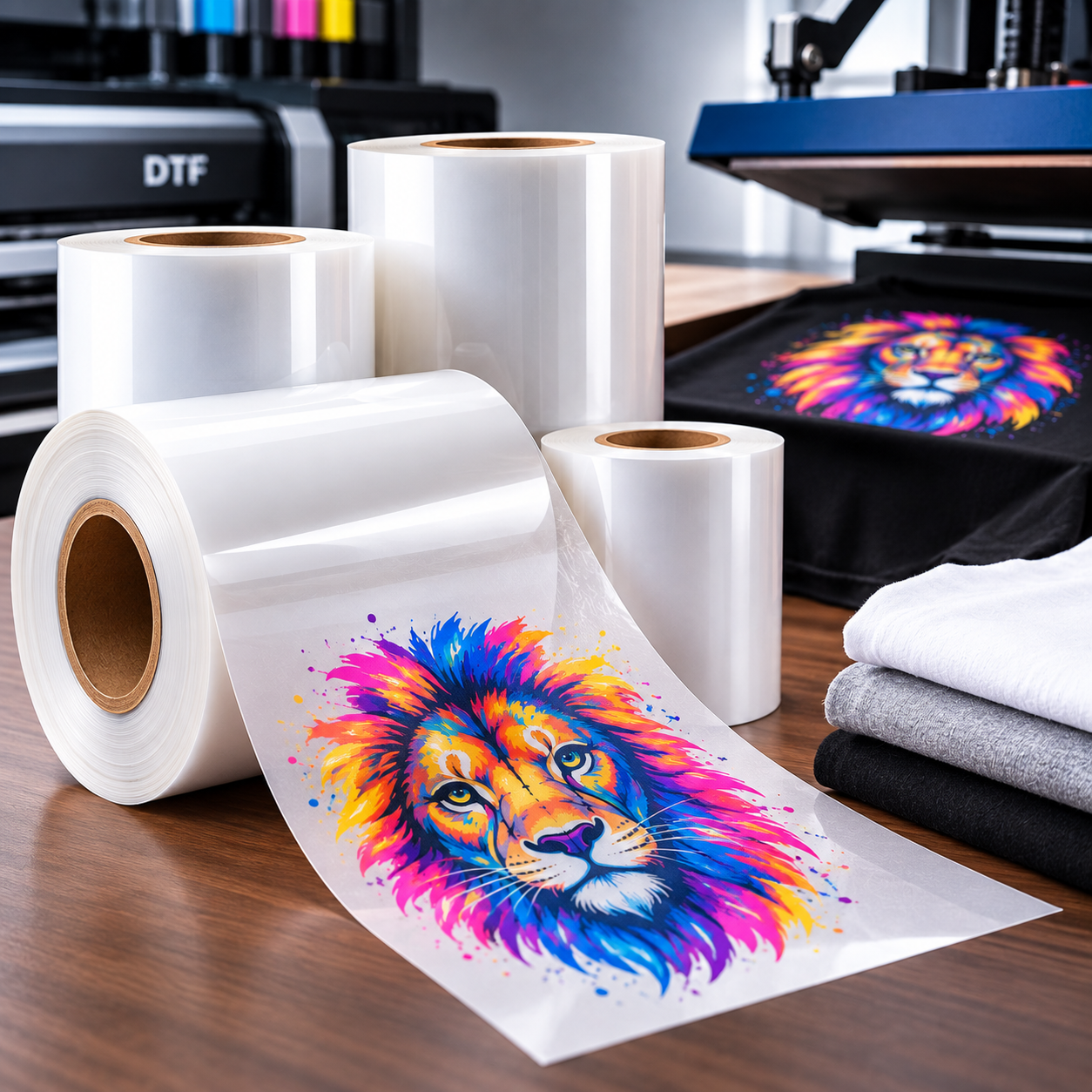
Choosing the right DTF film has a major impact on print quality, production speed, and the reliability of the finished transfer.
When selecting a film, you should therefore consider more than just the price or roll size. Important factors include the type of film, peeling method, compatibility with your inks and adhesive powder, printing stability, and heat-press application parameters.
In this guide, we'll explain the main differences between DTF films and show you what to look for when choosing the right film for your production.
DTF film is a specially coated carrier film designed for Direct to Film (DTF) printing.
The design is printed onto the specially treated surface using DTF inks. TPU adhesive powder is then applied to the printed layer and thermally activated.
This creates a finished DTF transfer that can be applied to textiles using a heat press.
The quality of the film can affect several parts of the production process:
DTF film is therefore much more than just a carrier for the printed design. It is an important component of the entire DTF system.
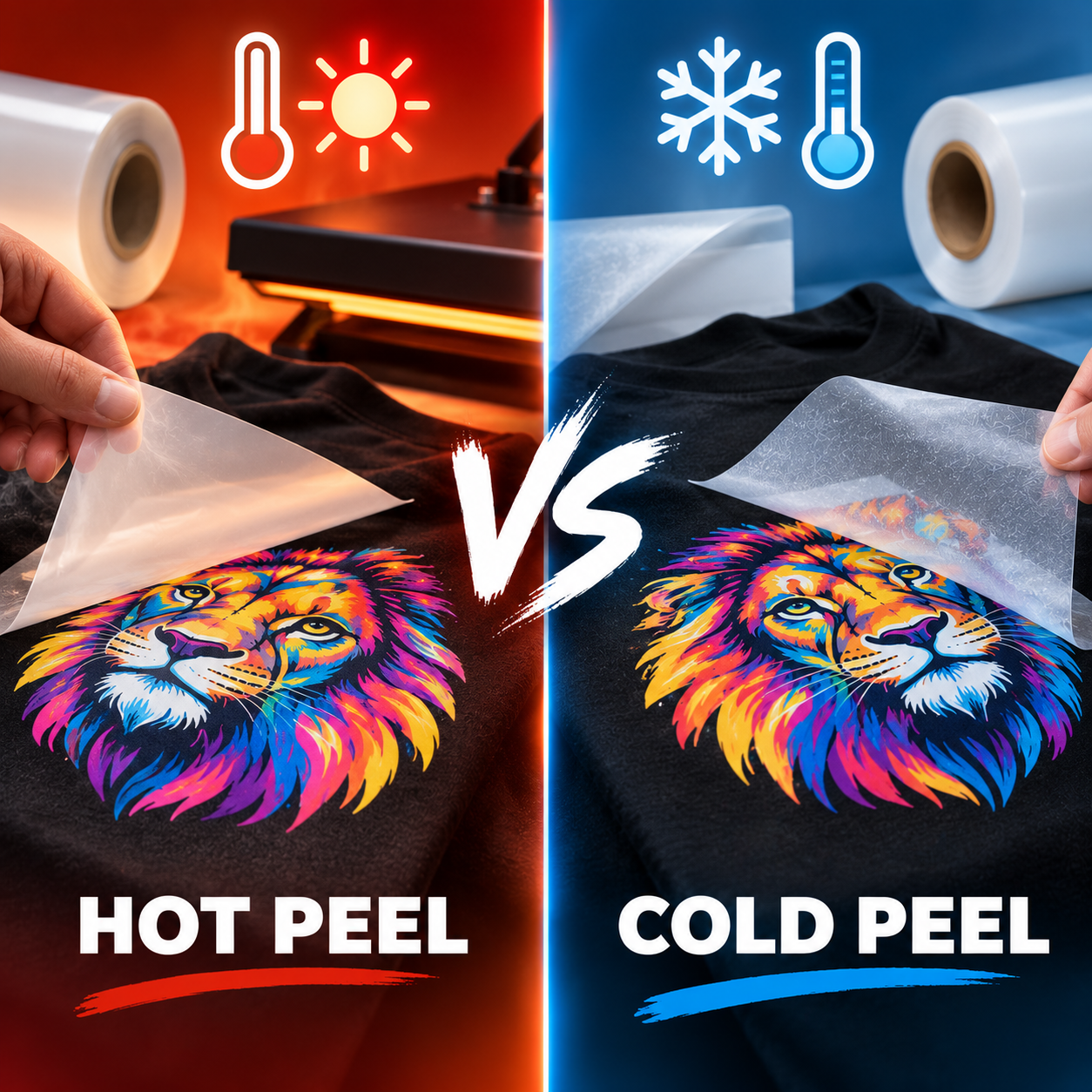
One of the most important characteristics of DTF film is the way the carrier film is removed after the transfer has been applied.
With Hot Peel film, the carrier can be removed while hot according to the application parameters of the specific system.
The main advantage is production speed. The operator does not have to wait for each transfer to cool completely before removing the carrier.
A difference of a few seconds may not seem significant when producing a single T-shirt. However, when applying dozens or hundreds of transfers, those seconds can add up to substantial time savings.
With Cold Peel film, the transfer must be allowed to cool according to the manufacturer's recommendations before the carrier film is removed.
This adds another step and a waiting period to the production process.
However, Cold Peel is not automatically a better or worse technology. It is primarily a different workflow.
| Parameter | Hot Peel | Cold Peel |
|---|---|---|
| Carrier film removal | while hot | after cooling |
| Waiting for cooling | generally no | yes |
| Workflow speed | generally faster | generally slower |
| Serial production | highly practical | requires cooling time |
| Following manufacturer's parameters | essential | essential |
TIP: If high productivity and fast processing of larger production runs are important to you, high-quality Hot Peel systems are particularly worth considering.
The term Hot Peel does not mean that all Hot Peel films have identical properties.
There can be significant differences between products, including:
For this reason, we recommend not comparing DTF films solely by price per metre or roll.
For professional production, speed, stability, and process repeatability are equally important.
Our range includes professional B-Flex DTF Hot Peel films.
One of their significant technological advantages is their very fast application parameters:
APPLICATION TEMPERATURE: 130 °C
PRESSING TIME: only 4 seconds
PEEL: Hot Peel – peel while hot
The short application time can be particularly valuable in professional production environments where dozens or hundreds of garments are processed every day.
For a single transfer, a difference of a few seconds may seem almost insignificant.
In serial production, however, every second is multiplied by the number of applications.
When comparing DTF films, we therefore recommend considering not only the cost of the material, but also the overall productivity of the production process.
IMPORTANT: Always follow the current application parameters for the specific product and take into account the textile being used as well as the other components of your DTF system.
Another important parameter is the width of the film.
The correct size depends mainly on:
For example, if you use a 60 cm DTF printer, you will typically work with a film of a corresponding width.
CAUTION: The nominal width of the printer may not be identical to the actual usable printing area.
We therefore recommend always checking the technical specifications of your particular machine.
This is one of the most important principles of DTF production:
The quality of the finished transfer is not determined by the DTF film alone.
DTF works as a system of interconnected components:
DTF film
↓
DTF ink
↓
TPU adhesive powder
↓
curing
↓
heat press
↓
textile
If one part of the system is not working correctly, even a very high-quality film may not produce a perfect result on its own.
Always test a new combination of materials as a complete system before introducing it into serial production.
Decide whether Hot Peel or Cold Peel is better suited to your production workflow.
Pay particular attention to:
Professional-grade material should provide consistent, repeatable results in everyday production.
Verify the complete combination of:
film + ink + TPU powder + curing method
Choose a size that matches your printer and production workflow.
For professional production, it is important that the material's properties remain consistent from one delivery to another.
When a problem occurs, it is a major advantage to be able to consult a supplier who genuinely understands the materials they sell and has practical experience with them.
The price of the roll is, of course, important. However, in professional production it should not be the only criterion.
Actual production costs also include:
A material with a higher purchase price can therefore be more economical overall if it enables faster and more reliable production.
TIP: A better indicator than the price of the roll alone is the total cost of producing a reliable, finished transfer.
When switching to a new DTF film, we recommend producing several test transfers first.
Test the film with:
Only after verifying the results do we recommend moving to serial production.
No. They are different workflows. Hot Peel offers a significant advantage in speed because you do not have to wait for the transfer to cool completely. However, the suitability of a particular film depends on the entire production system.
We do not recommend automatically assuming that all materials are compatible. The combination of film, ink, and TPU powder should be tested together before serial production.
Not simply by looking at the film itself. The most important factors include repeatability of results, stability during printing and application, and the final properties of the transfer.
If productivity is one of your main priorities, we recommend considering high-quality Hot Peel systems and comparing their actual application parameters.
Yes. Temperature, time, and pressure are fundamental application parameters. Always follow the recommendations for the specific material and perform your own tests on the textiles you use.
If you're unsure which DTF film is suitable for your equipment or production process, we'll be happy to help you choose the right solution.
For a more accurate recommendation, it is useful to know:
Based on this information, we can recommend a suitable solution for your specific production workflow.
B-Flex DTF Hot Peel Films – product/category page
DTF Adhesive Powders – e-shop category
Hot Peel vs. Cold Peel – Detailed Comparison – upcoming guide
How to Set Up a Heat Press Correctly for DTF – upcoming guide
Leave a comment